

Automated Shrimp Processing: Solving Labor Shortages & Boosting Consistency
Introduction
Labor shortages continue to challenge shrimp processing plants worldwide. High turnover and rising costs make it harder to keep production stable. Quality consistency also suffers when plants depend heavily on manual work.
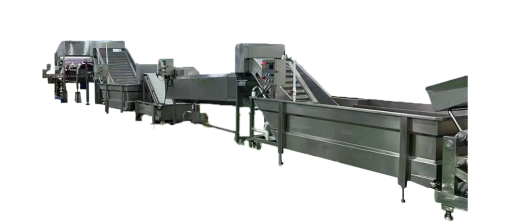
Automated shrimp processing offers a practical way forward. It reduces reliance on large teams while delivering more uniform results. This article explains how automated shrimp processing helps plants manage labor shortages and improve consistency at the same time. Companies such as Soontrue design equipment that supports these goals for modern seafood processors.
The Real Cost of Relying on Manual Labor
Manual shrimp processing creates both direct and indirect costs.
Direct Costs of Manual Operations
Wages form the largest direct expense. Overtime during peak seasons adds more pressure. Training new workers takes time and money every time staff leave.
Indirect Costs That Hurt Profitability
Inconsistent quality leads to higher rejection rates. Product damage rises when handling varies between workers. Hygiene risks increase with intensive hand contact. Productivity often drops between shifts or when experienced staff are absent.
Traditional manual lines also struggle to scale. Adding capacity usually means hiring more people. This becomes difficult when labor shortages are common.
How Automated Shrimp Processing Addresses Labor Shortages
Automated shrimp processing changes the labor equation in clear ways.
Lower Headcount Requirements
Automated systems handle deheading, peeling, and related steps with far fewer operators. Plants can maintain or increase throughput while reducing the number of people needed on the floor. This directly eases the impact of labor shortages.
Soontrue offers automated shrimp processing solutions that help plants achieve these labor reductions.
Faster Training and Easier Onboarding
Operators mainly feed product, monitor performance, and make simple adjustments. New staff become productive faster than in fully manual setups. Lower training burden helps plants stay flexible when turnover is high.
Greater Resilience During Peak Periods
Seasonal demand spikes no longer depend solely on finding extra workers. Automated shrimp processing keeps output more stable even when labor markets tighten. Plants gain reliability that pure manual lines cannot match.
Consistency Advantages of Automated Systems
Consistency is the second major benefit of automated shrimp processing.
Uniform Results Across Shifts and Batches
Machines apply the same settings to every shrimp. Peeling depth, deheading accuracy, and handling stay consistent from the first shift to the last. This reduces the variation that often appears in manual work.
Lower Product Damage and Better Yield Stability
Gentle, controlled mechanical handling lowers damage rates. More stable yields improve raw-material use and cost control. Plants see fewer surprises in final output quality.
Stronger Support for Export Standards
Export buyers demand uniform appearance and high hygiene levels. Automated shrimp processing helps plants meet these expectations more reliably. Consistent results also simplify quality documentation.
Key Factors for Successful Transition to Automation
Moving to automated shrimp processing works best with careful planning.
Assess Current Bottlenecks
Identify where labor intensity is highest. Note where quality varies most and where capacity is limited. This data guides equipment selection.
Match Equipment to Product Mix
Choose systems that handle common size ranges and support multiple processing styles. Flexible automated shrimp processing equipment allows plants to switch between needs without major downtime.
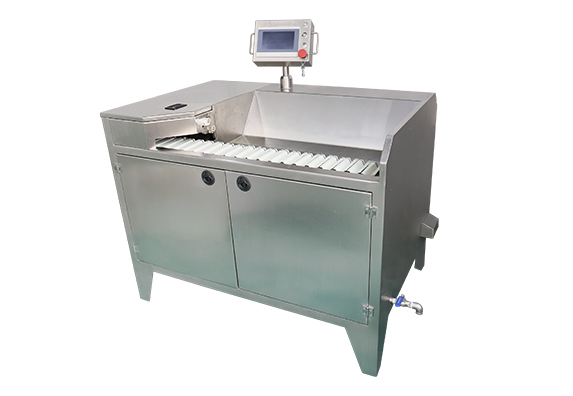
Explore the HB320 shrimp peeling and deveining machine and the SDL100A automatic shrimp deheading processing line for options that match varied product mixes.
Plan Integration and Future Growth
New machines should connect smoothly with existing conveyors and downstream steps. Layout choices should leave room for later expansion. Modular designs make this easier.
Manage the Human Side of Change
Clear communication helps operators accept new systems. Proper training builds confidence. Involving staff early improves daily use of the equipment.
|
Factor |
Manual Line Challenge |
Automated Shrimp Processing Benefit |
|
Labor needs |
High headcount |
Fewer operators required |
|
Training time |
Long and ongoing |
Shorter onboarding |
|
Quality variation |
High between workers |
Uniform across batches |
|
Scalability |
Limited by hiring |
Easier capacity growth |
|
Hygiene control |
Dependent on people |
More consistent processes |
Practical Outcomes Plants Are Achieving
Plants that adopt automated shrimp processing report several common improvements.
Labor hours per kilogram of finished product usually decline. Output becomes more stable across shifts and seasons. Quality variation drops, and rejection rates fall. Hygiene control and process records also improve.
Results differ by plant size. Smaller facilities often start with compact machines that replace the most labor-heavy steps. Larger plants benefit from fuller lines that link deheading, peeling, sorting, and later packaging stages. In both cases, automated shrimp processing supports more predictable planning.
Soontrue supports processors with both individual machines and integrated solutions. Visit the Soontrue to see the full range of food processing and packaging equipment.
Conclusion
Automated shrimp processing helps plants reduce labor shortages and improve consistency by lowering headcount needs while delivering more uniform quality. Soontrue offers practical automated solutions that support these goals for seafood processors. Review your current labor use and capacity limits, then explore modular options that fit your plant—visit the About Us page to learn more or contact the team directly through the Contact Us page to discuss your specific needs.
FAQs
Q: How does automated shrimp processing reduce labor needs?
A: It handles core tasks such as deheading and peeling with fewer operators. One person can often manage feeding and monitoring for a machine that replaces many manual workers.
Q: Can automated systems improve product consistency?
A: Yes. Machines apply the same settings to every shrimp. This produces more uniform peeling, lower damage, and steadier yields across shifts.
Q: What size ranges do automated shrimp processing machines typically handle?
A: Most systems work well with common commercial sizes. Performance is strongest in the mid-range counts that many plants process daily. Smaller sizes may run at lower efficiency.
Q: Is daily maintenance difficult on automated lines?
A: No. Many systems use washable components and independent electrical designs. Routine cleaning fits standard hygiene schedules.
Q: Can automated shrimp processing integrate with existing packaging lines?
A; Yes. Modular equipment can connect to conveyors and downstream packaging steps. Custom layouts are often possible based on plant needs.
Q: How quickly can operators learn to run the equipment?
A: Training focuses on feeding, monitoring, and recipe selection. Most operators become comfortable faster than with complex manual methods.
Q: Does automation help with export quality requirements?
A: Consistent results and improved hygiene control support the uniform standards that export buyers expect.
Q: Where can I learn more about Soontrue automated shrimp processing equipment?
A: Visit the shrimp processing machine category page or contact the team through the Contact Us page for detailed information.