

Comparison of dumpling machine and handmade dumplings
In today's highly competitive food manufacturing industry, efficiency and stability are more important than ever. With rising labor costs and increasing global demand for frozen and ready-to-eat foods, many food companies are beginning to consider: should they continue using manual dumpling-making or purchase an automated dumpling machine?
Handmade dumplings represent tradition and exquisite craftsmanship, while modern automatic dumpling machines offer standardized production, higher output, and less reliance on labor. Understanding the differences between manual production and automated systems can help you find the best solution for your business. This article compares handmade dumplings and automatic dumpling machines in terms of speed, cost, quality, taste, hygiene, and long-term profitability.
Production Speed Comparison
The most obvious difference between handmade dumplings and dumpling machines lies in their output.
Handmade dumplings
A skilled worker can typically produce:
- It produces 30-60 dumplings per hour
- Output depends on the worker's experience and level of fatigue
For small restaurant businesses, this output and speed are sufficient. However, for larger enterprises in factories or central kitchens, manual production quickly becomes a challenge.
Automatic dumpling machine
Automatic dumpling machines can stably produce thousands of dumplings per hour. For example, the XZJ10A dumpling forming machine from Soontrue Machinery is designed for continuous production and is ideal for food processing plants and commercial production.

By using automated systems to process dumplings from dough feeding and filling to shaping, manufacturers can significantly increase production while maintaining uniform dumpling shape and weight, ensuring stable output.
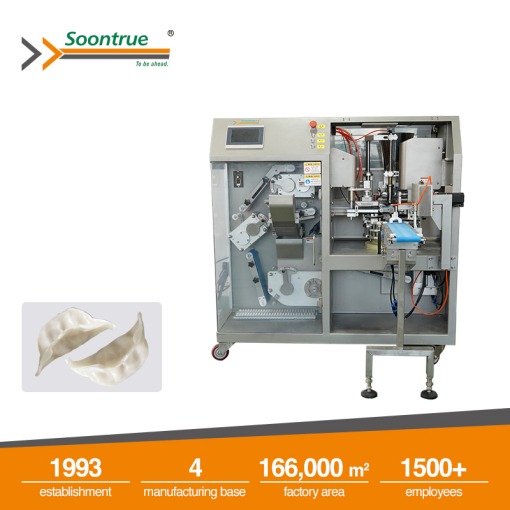
In general, there is a big difference between handmade dumplings and automatic dumpling machines in terms of production speed and output. If it is for large-scale production, then dumpling machines are the first choice, and handmade dumplings cannot compete with them.
Labor Cost and Operational Efficiency
Labor is one of the highest long-term expenses in food production.
Handmade Production
- Requires multiple skilled workers
- Labor cost increases annually
- Staff turnover affects productivity
- Training is required
Manual dumpling wrapping also depends heavily on experience to maintain product consistency.
Automated Production
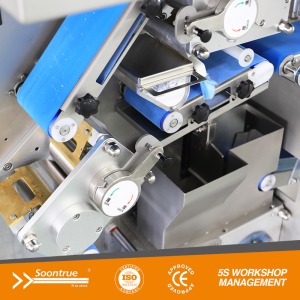
Dumpling-making machines minimize reliance on manual operation. Only one operator is needed to oversee the entire production process, including dough feeding, filling adjustments, and finished product collection.
By investing in a dumpling making machine, businesses can:
- Reduce workforce size
- Lower long-term operational costs
- Improve production planning
- Minimize human error
Over time, automation can deliver a significant return on investment, especially for companies that mass-produce frozen dumplings.
Product Consistency and Quality
In commercial food, product consistency is important for aesthetics.
Handmade Dumplings
Advantages:
- Traditional appearance
- Flexible shaping styles
Disadvantages:
- Weight differences
- Uneven sealing
- Irregular filling distribution
Automatic dumpling machine
Advantages:
- Uniform weight and size
- Stable filling ratio
- Consistent sealing
- Professional appearance
The advanced forming system perfectly replicates traditional folding techniques while maintaining production precision. This ensures that every dumpling meets standardized quality requirements—which is especially important for supermarkets and export markets.
Taste and Testure
When comparing handmade dumplings and machine-made dumplings, taste is often the most compelling factor. Many people associate handmade dumplings with tradition, craftsmanship, and a more "authentic" eating experience.
Handmade Dumplings
Handmade dumplings may offer:
- Slight variations in thickness and folding style
- Custom adjustments to filling distribution
- A traditional appearance that some customers prefer
Because each dumpling is individually wrapped by hand, their texture and shape vary slightly. For small businesses or restaurants, this difference in preparation can actually enhance the dining experience.
However, uneven thickness or uneven sealing can also affect the cooking results, causing the dumplings to crack during boiling or steaming, affecting their appearance and taste.
Dumpling machine makes dumplings
Automatic dumpling machines replicate the traditional forming process while maintaining precise control over the thickness of the dumpling skin and the ratio of filling.
A professional dumpling wrapping machine ensures:
- Uniform dough thickness
- Accurate filling proportion
- Stable sealing pressure
- Consistent shape and size
The dumpling machine produces dumplings with precisely controlled proportions, ensuring that every dumpling tastes consistent after cooking. Each dumpling is heated evenly, maintaining its shape and providing the same flavor every time.
Dumpling taste
The flavor of a dumpling mainly depends on:
- Dough recipe
- Filling ingredients
- Ingredient freshness
- Production process control
A dumpling making machine does not change the recipe itself. Instead, it standardizes the process of forming and sealing.
For commercial producers, the advantage lies in delivering the same taste experience across thousands of pieces, batch after batch.
Hygiene and Food Safety
Global food safety regulations are becoming increasingly stringent, and more and more people are raising their standards for food.
Manual production involves:
- Direct hand contact
- Increased contamination risk
- Inconsistent hygiene practices
Dumpling machines minimize human contact during the forming process. Stainless steel construction, easily disassembled and washable parts ensure that industrial dumpling machines meet modern food safety standards.
For commercial manufacturers, investing in automated equipment is not only about speed — it is also about compliance and brand protection.
Scalability and Business Growth
One of the biggest differences between handmade production and automation is scalability.
Handmade dumplings:
- Limited by workforce size
- Difficult to scale rapidly
- High operational variability
Dumpling making machines:
- Easy to integrate into production lines
- Compatible with frozen food processing
- Support large-volume supply contracts
For companies planning to expand their distribution channels or enter export markets, automation has become a necessity rather than a luxury, and is a top priority.
When Should You Choose Handmade Dumplings?
Handmade dumplings are still suitable if the following conditions are met:
- operate a small restaurant
- produce limited quantities
- emphasize traditional craftsmanship
- Production volume is low
However, once production demand increases, manual methods often lead to higher costs and slower delivery times.
When Should You Invest in a Dumpling Making Machine?
You should consider automation if you:
- run a food factory or central kitchen
- supply supermarkets or distributors
- produce frozen dumplings
- want stable, long-term growth
- Labor costs are affecting profitability
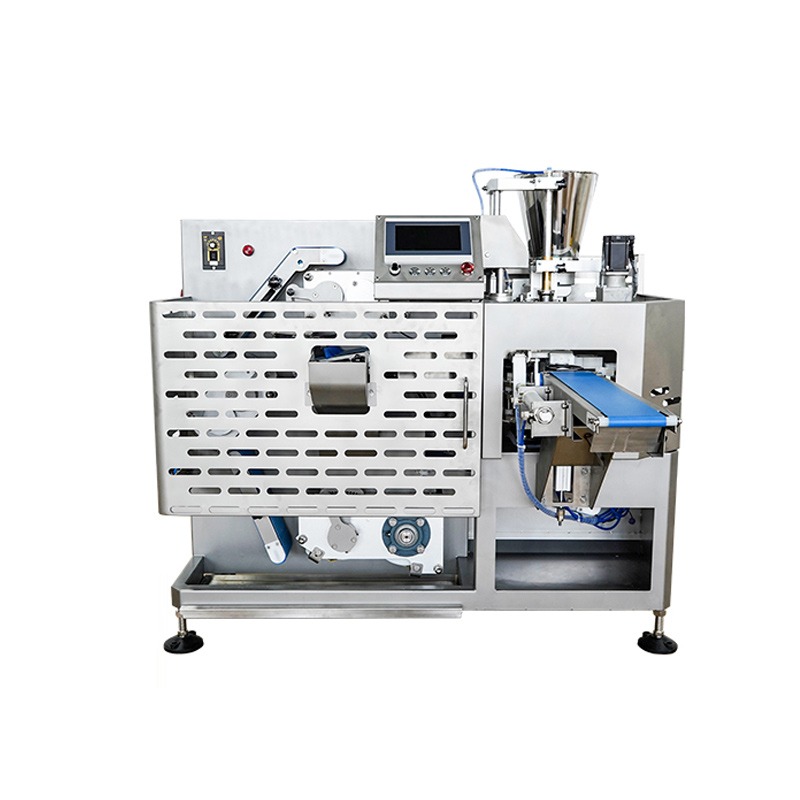
Industrial solutions like the XZJ10A model are designed specifically for commercial dumpling production, offering reliable operation, high efficiency, and consistent forming quality.
Dumpling Making Machine vs Handmade Dumplings:
| Factor | Handmade Dumpling | Dumpling Making Machine |
| Production Speed | Low | Hight |
| Labor Requirement | Hight | Low |
| Consistency | Variable | Stable |
| Hygiene | Manual Dependent | Controlled System |
| Scalability | Limited | Strong |
| Long-Term ROI | Lower | Higher |
The debate between handmade dumplings and machine production ultimately depends on your business goals.
If you focus on small-batch craftsmanship, manual production may suit your needs. However, for companies aiming at large-scale manufacturing, stable output, and long-term profitability, investing in a professional dumpling making machine provides a clear advantage.
As global demand for dumplings continues to grow, automation through advanced dumpling machines is becoming the standard in modern food processing.