

Automatic Dumpling Machine Solutions: Transforming Food Production with Efficiency, Consistency, and Hygiene
Food producers face rising labor costs and strict safety rules. Manual dumpling making cannot keep up. Automatic machines solve these problems with speed and precision.
The Challenges of Traditional Dumpling Production
Hand-made dumplings need skilled workers. The process takes time. Wrapper thickness and filling amounts vary. Quality suffers. Hygiene risks rise from hand contact. Output stays low. Growth becomes hard.
These issues hit frozen food lines hardest. They also affect restaurants and large canteens. Automation removes the bottlenecks.
The Core Solution: Automatic Dumpling Making Machines
Automatic dumpling machines handle dough forming, filling, and sealing in one flow. They work for restaurants and large factories. Models support many shapes. Operators adjust thickness and filling volume easily.
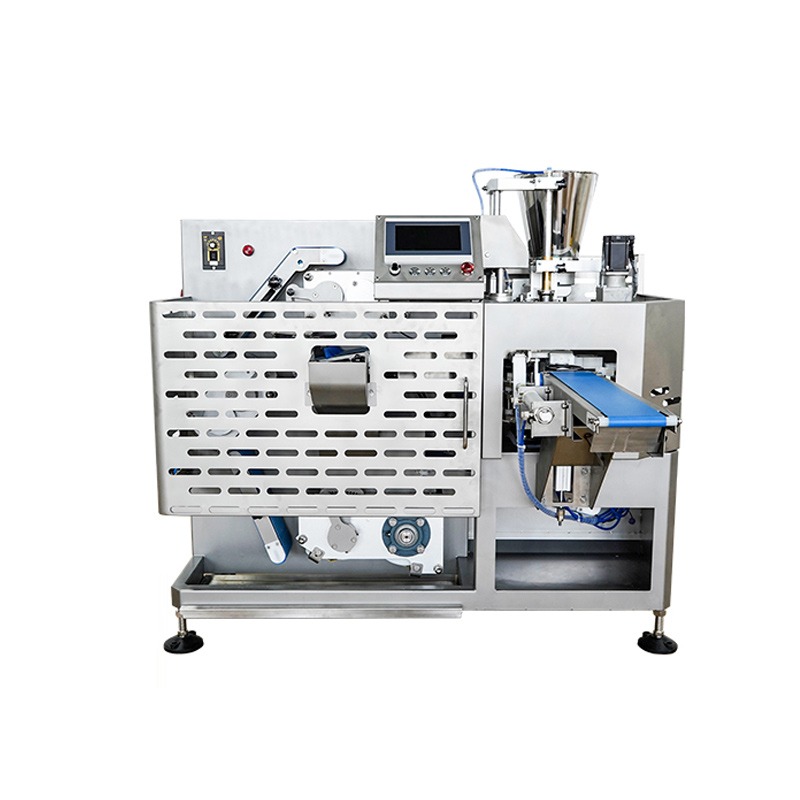
Wrappers stay thin and strong. Filling stays generous and even. Waste drops. Hygiene improves. Pair the machines with packaging systems for full lines. See options on the dumpling machine product page.
How Automatic Systems Work
Two main designs exist. Extrusion systems form a dough tube, inject filling, then cut and seal. Sheeting systems roll dough first, then fill and mold it.
Servo motors give exact control. Weight and shape stay uniform. Quick-release parts allow fast cleaning. Many units finish daily sanitation in under 30 minutes.
Addressing Current Industry Trends with Smart Automation
The market for dumpling machines grows steadily. Fully automatic models lead sales. Several trends shape buyer choices today.
Labor Cost Reduction and Workforce Optimization
Wages keep rising. Machines replace multiple folders. One or two operators monitor high output. Staff move to quality checks and recipe work. Injury rates fall. Turnover drops.
Consistency and the “Handmade” Appearance
Buyers want even size and weight. They also want traditional looks. Servo systems control sealing pressure. Special molds create clear pleats. Some machines run two fillings at once.
Hygiene, Food Safety, and Easy Cleaning
Food-grade 304 stainless steel is standard. Tool-free parts speed cleaning. Hand contact falls. Systems meet HACCP and export rules. Washdown designs help between batches.
Sustainability and Material Efficiency
Producers seek less waste. Skin-recycling features save dough. Precise portioning cuts excess. Machines work with recyclable films. MAP packaging extends shelf life with less plastic.
Industry 4.0, Servo Control, and Predictive Maintenance
Connected lines track data in real time. Servo drives use less energy. Touchscreens make recipe changes simple. Predictive alerts reduce downtime. These tools support smart factories.
Learn more about matching packaging on the food automatic packaging solutions page.
Key Features Comparison of Automatic Dumpling Machines
The table below compares common machine types.
|
Feature |
Compact Commercial Models |
Mid-Range Fully Automatic |
High-Capacity Industrial Lines |
|
Typical Output |
800–2,200 pcs/hour |
2,500–6,000 pcs/hour |
7,000–12,000+ pcs/hour |
|
Shape Versatility |
Limited molds |
Multiple interchangeable molds |
Wide range including custom |
|
Wrapper Adjustment |
Basic thickness control |
Precise servo adjustment |
Full recipe programming |
|
Cleaning Time |
20–40 minutes |
Under 30 minutes tool-free |
Optimized for rapid washdown |
|
Power Requirements |
Single-phase 220V |
Single or three-phase |
Three-phase industrial |
|
Ideal For |
Restaurants, cloud kitchens |
Regional producers, catering |
Frozen food factories, export |
|
Integration Potential |
Standalone or basic packaging |
Full line with weighing/packing |
Complete Industry 4.0 systems |
Models such as the XZJ10A Gyoza dumpling making machine, XSM10A Siumai Machine, and XSJ10B Imitation handmade dumpling show these features in practice.
Applications Across Food Sectors
Automatic machines fit many users. Factories gain steady high volume for retail and export. Restaurants and hotels free staff for other tasks. School and company canteens handle bulk meals. Military catering meets large orders reliably.
Many systems also make wontons and potstickers. Mold changes expand product range. Return on investment rises.
Integrating Production with Automated Packaging
Forming is only the start. Packaging decides shelf life and market readiness. Link dumpling machines to flow wrappers, tray sealers, or vacuum systems. Benefits appear fast.
Handling drops. Contamination risk falls. Portion control improves. Sustainable films work better. Robotic case packing cuts final labor. Review full systems on the automatic packaging systems page.
Calculating Return on Investment
Clear numbers guide decisions. The table lists main savings.
|
Cost Category |
Manual Production Impact |
Automatic Machine Benefit |
Estimated Impact |
|
Labor |
Multiple skilled folders required |
1–2 operators monitor high output |
40–70% reduction |
|
Waste & Rejects |
Variable sealing and weight |
Precise portioning and consistent seals |
10–25% lower waste |
|
Throughput |
Limited by hand speed |
Continuous high-speed operation |
3–10× higher output |
|
Hygiene Compliance |
Higher risk and inspection time |
Minimal hand contact, easy cleaning |
Lower audit risk and downtime |
|
Scalability |
Difficult to expand |
Modular or multi-line expansion |
Faster market response |
Most users see payback in 6 to 24 months. High-volume frozen lines often recover costs faster.
Practical Steps for Successful Implementation
Start with clear volume targets. Test your dough and filling with the supplier. Ask for live demos. Check power and space needs. Review warranty and training. Plan packaging links early. Choose machines with flexible settings. This protects the investment as tastes change.
FAQs
What production capacity should I choose?
Match sustained output to daily needs. Add a buffer for growth. Compact units suit restaurants. Industrial lines serve factories.
Can one machine produce different dumpling styles?
Yes. Interchangeable molds cover gyoza, siomai, jiaozi, and more. Check changeover time with the supplier.
How difficult is cleaning and maintenance?
Tool-free parts make cleaning simple. Daily work often takes under 30 minutes. Regular checks keep the machine reliable.
Do I still need skilled labor after automation?
Folding labor falls sharply. Operators still need training for settings and hygiene. Most suppliers provide it.
Are these machines suitable for gluten-free or plant-based products?
Many handle alternative doughs. Test hydration and viscosity first. Parameter tweaks may be needed.
What about power and space requirements?
Commercial models often use single-phase power. They fit standard spaces. Industrial units need three-phase power and extra clearance.
How do automatic machines affect product quality after cooking or freezing?
Correct settings produce strong thin wrappers. Seals hold during boiling, steaming, or freezing. Results depend on dough and filling match.
What support and warranty can I expect?
Most makers offer one-year parts coverage. Training and remote help are common. Local spare parts cut downtime.
Conclusion
Automatic dumpling machines cut costs and raise quality. They meet hygiene rules and support growth. Combined with packaging systems, they build strong production lines. Review models on the dumpling machine solutions page to find the right fit.